

Commercial Auto Liability insurance is required for most trucking operations, but what it actually covers is not always clearly understood. Many owner-operators and fleet managers carry the coverage to remain compliant, yet questions often arise after an accident or during a claim, when clarity matters most.
In this post, we break down what commercial auto liability insurance typically covers, what it does not and why it plays such a critical role in protecting trucking businesses. These are the same questions Joe Morten & Son regularly addresses when helping drivers review coverage and prepare for renewals.
Why Commercial Auto Liability Coverage Matters
Commercial auto liability insurance helps protect trucking businesses when they are found legally responsible for bodily injury or property damage to others. Given the size and operating demands of commercial vehicles, even relatively minor incidents can result in significant claims; the possibility of large claims is why many carriers treat truck liability coverage as a core part of their insurance strategy.
Liability coverage is also closely tied to regulatory compliance. Federal and state requirements typically mandate minimum limits for operating authority. Falling short of these requirements can create operational and contractual challenges.
What Commercial Auto Liability Insurance Typically Covers
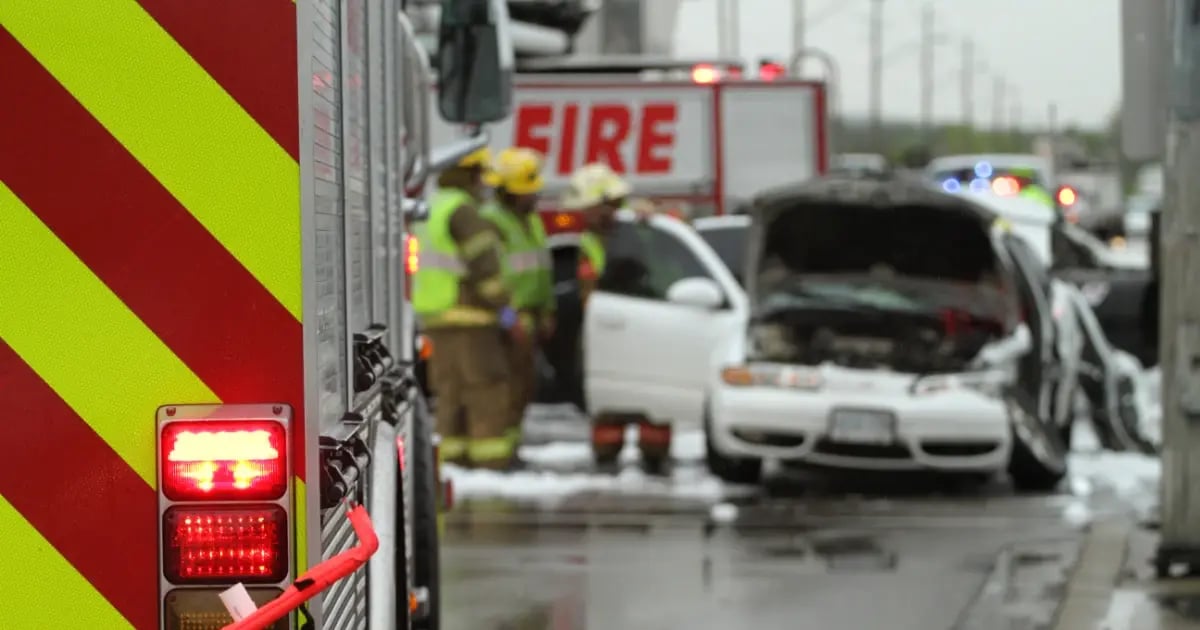
Commercial auto liability insurance generally responds when a covered truck is involved in an at-fault accident that causes harm to others.
The coverage often includes bodily injury to other drivers, passengers, or pedestrians, as well as damage to other vehicles or roadside property. Legal defense costs related to covered claims, which can become substantial even when accidents appear straightforward, are also commonly included.
Because of the potential severity of trucking-related claims, liability coverage often serves as the foundation of a commercial trucking insurance program and may be complemented by protections like Commercial general liability coverage for certain non-auto business exposures.
What Commercial Auto Liability Insurance Typically Does Not Cover
Liability insurance has defined limits, and understanding those limits is an important part of managing risk.
It typically does not cover damage to the insured truck or trailer, the cargo being hauled, or injuries to the driver of the insured vehicle. Those exposures are usually addressed through physical damage coverage, motor truck cargo insurance and workers compensation or occupational accident policies.
Knowing where liability coverage stops helps prevent misunderstandings after a loss occurs.
Who Needs Commercial Auto Liability Insurance
Most trucking operations, including owner-operators, leased drivers, and fleets of all sizes, require commercial auto liability insurance. When a vehicle is used for business purposes, personal auto insurance is typically not sufficient.
Operating authority filings and broker agreements often require proof of active liability coverage. Maintaining appropriate limits and documentation helps keep operations running without interruption.
How Insurers Evaluate Liability Risk
The cost and availability of commercial auto liability insurance are influenced by several factors insurers commonly use to evaluate risk. These may include driving history, prior claims, operating radius, cargo type, and vehicle characteristics.
Safety practices and overall consistency of operations can also influence how a risk is viewed over time. Proactive risk management, including the use of safety and loss control resources available through Joe Morten & Son’s insurance services, often supports more stable renewals and fewer coverage surprises. For fleets exploring different structures, Alternative Risk Programs can sometimes offer additional ways to align coverage and cost with their risk profile.
Understanding the Role of Liability Coverage
Commercial auto liability insurance plays a central role in protecting trucking businesses, supporting regulatory compliance, and managing financial exposure after accidents. By understanding what this coverage typically includes and where its limits apply, owner-operators and fleets can make more informed decisions about their insurance programs.
At Joe Morten & Son, we help trucking professionals evaluate liability coverage in the context of their real-world operations, not just minimum requirements. That approach can help reduce coverage gaps and support long-term stability.
For a clearer understanding of your liability coverage and available options, request a free quote from Joe Morten & Son.

We offer commercial trucking coverage in more than 45 states. Check out more information in your state:
Alabama, Arizona, Arkansas, Colorado, Connecticut, Delaware, Florida, Georgia, Idaho, Illinois, Indiana, Iowa, Kansas, Kentucky, Louisiana, Maine, Maryland, Michigan, Minnesota, Mississippi, Missouri, Montana, Nebraska, Nevada, New Hampshire, New Jersey, New Mexico, North Carolina, North Dakota, Ohio, Oklahoma, Oregon, Pennsylvania, Rhode Island, South Carolina, South Dakota, Tennessee, Texas, Utah, Vermont,
Virginia, Washington, West Virginia, Wisconsin, and Wyoming.
This material is intended to be a broad overview of the subject matter and is provided for informational purposes only. Joe Morten & Son, Inc. does not provide legal advice to its insureds or other parties, nor does it advise insureds or other parties on employment-related issues, therefore the subject matter is not intended to serve as legal or employment advice for any issue(s) that may arise in the operations of its insureds or other parties. Legal advice should always be sought from legal counsel. Joe Morten & Son, Inc. shall have neither liability nor responsibility to any person or entity with respect to any loss, action, or inaction alleged to be caused directly or indirectly as a result of the information contained herein. Reprinted with permission from Great West Casualty Company.