
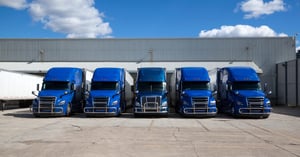
Commercial truck insurance premiums don’t change without cause. They’re shaped by measurable risk factors that insurers track closely. At Joe Morten & Son, Inc., nearly 90 years of experience in trucking insurance has shown that premium levels often reflect day-to-day habits, equipment condition and operational choices.
This article explains the most common influences on commercial truck insurance premiums. Understanding these factors can help business owners make informed decisions that support stability at renewal.
Driver History and Experience
Driver performance can be one of the strongest indicators of future loss potential. A clean driving record can result in lower premiums, while a history of violations, preventable accidents or claims may increase costs.
Experience also plays a role. Drivers who have logged more miles and completed additional safety or certification programs tend to experience fewer incidents. Insurers recognize these patterns and often adjust pricing to reflect reduced risk.
Type of Cargo You Haul
The type of cargo transported can greatly influence insurance costs. Certain commodities present higher exposure due to theft potential or hazardous materials risk. For example, electronics and pharmaceuticals often require higher coverage limits, while temperature-controlled freight can add the risk of equipment failure or spoilage losses.
Understanding your cargo’s specific risk profile can help ensure coverage is appropriate for both compliance and financial protection.
Vehicle Condition, Age and Safety Features
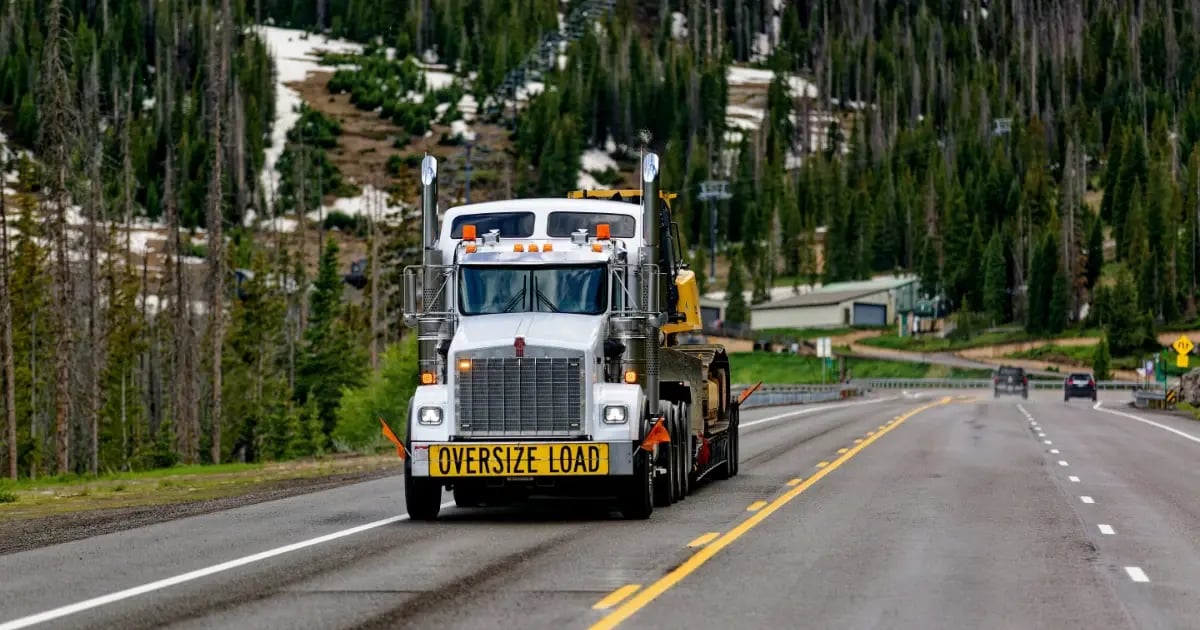
Insurers often consider the condition and age of each vehicle when assessing premiums. Older trucks may require more frequent repairs and lack modern safety systems, while newer vehicles typically include collision-mitigation technology, lane-departure alerts, and telematics.
Consistent maintenance documentation and equipment inspections can demonstrate operational discipline. Well-maintained fleets can signal lower risk, and that lower risk can help maintain pricing stability over time.
Operating Radius and Routes
Mileage and operating area can also influence premiums. Long-haul operations typically involve longer hours and greater exposure to road hazards, while urban routes may increase the risk of collisions and theft. Rural routes may have fewer accidents but higher severity when incidents occur.
Insurance pricing often reflects a balance among miles driven, geographic exposure, and the environments where vehicles operate.
Claims History and Loss Frequency
Past claims can provide insurers with a picture of potential future outcomes. Repeated claims can suggest procedural weaknesses, while a single well-documented and resolved claim may have less effect.
Maintaining detailed claims records and reviewing incidents for improvement opportunities can demonstrate proactive management. Fleets that identify and correct root causes often see more stable renewal pricing.
The Takeaway
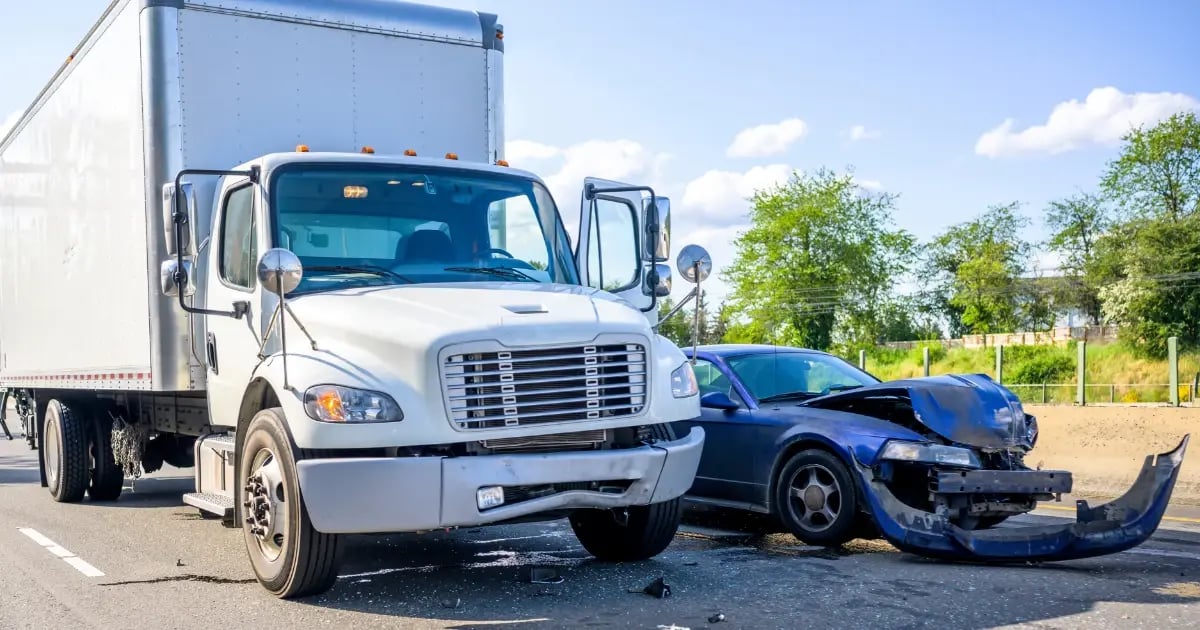
Insurance premiums can be shaped by factors such as driving performance, cargo type, vehicle maintenance, route exposure, and claims experience. While not every element is within your control, a consistent focus on safety, documentation and maintenance can help reduce exposure and improve predictability.
To learn more about managing risk and building a stronger insurance strategy, request a free consultation from Joe Morten & Son, Inc. at joemorten.com/contact.

We offer commercial trucking coverage in more than 45 states. Check out more information in your state:
Alabama, Arizona, Arkansas, Colorado, Connecticut, Delaware, Florida, Georgia, Idaho, Illinois, Indiana, Iowa, Kansas, Kentucky, Louisiana, Maine, Maryland, Michigan, Minnesota, Mississippi, Missouri, Montana, Nebraska, Nevada, New Hampshire, New Jersey, New Mexico, North Carolina, North Dakota, Ohio, Oklahoma, Oregon, Pennsylvania, Rhode Island, South Carolina, South Dakota, Tennessee, Texas, Utah, Vermont,
Virginia, Washington, West Virginia, Wisconsin, and Wyoming.
This material is intended to be a broad overview of the subject matter and is provided for informational purposes only. Joe Morten & Son, Inc. does not provide legal advice to its insureds or other parties, nor does it advise insureds or other parties on employment-related issues, therefore the subject matter is not intended to serve as legal or employment advice for any issue(s) that may arise in the operations of its insureds or other parties. Legal advice should always be sought from legal counsel. Joe Morten & Son, Inc. shall have neither liability nor responsibility to any person or entity with respect to any loss, action, or inaction alleged to be caused directly or indirectly as a result of the information contained herein. Reprinted with permission from Great West Casualty Company.